








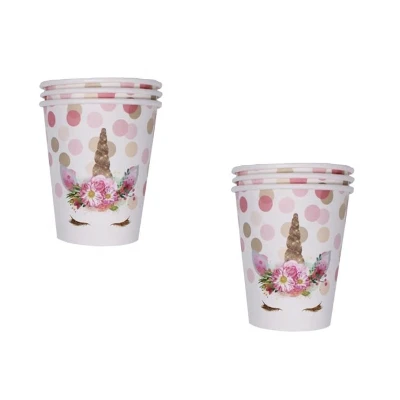
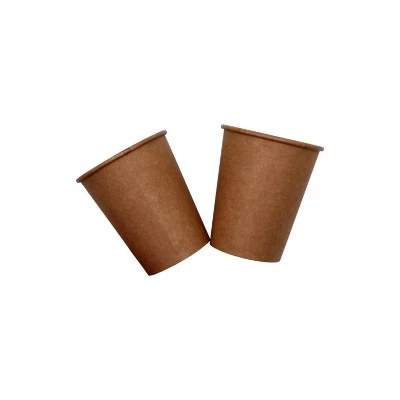
The production of paper plates is a meticulous process. It starts with the selection of appropriate raw materials, typically food-grade paperboard or pulp. The paperboard is cut into precise shapes and sizes using advanced cutting machinery. Then, through a forming process, the flat pieces are molded into the desired plate shape, often with the help of heat and pressure.
To ensure product quality, a series of inspections are carried out. Automated optical inspection systems are employed to detect any surface defects, such as scratches or dents. Thickness gauges are used to verify that the plates meet the specified thickness requirements. For B2B customers, strict compliance with industry standards and certifications is crucial. The paper plates are also tested for their strength and durability to withstand various handling and usage scenarios. This comprehensive production and inspection process not only guarantees the delivery of high-quality paper plates to the market but also meets the stringent demands of business clients in sectors like food service, catering, and event management, enhancing the reputation and competitiveness of the manufacturer in the B2B marketplace.